By Rose Jennings, DrPH (Reviewed by members of the JUST GROW Consortium)
It’s been a minute since we published a blog post. This is certainly not for lack of words to share. In fact it’s the very opposite – we’ve been writing busily in our corners of the world! I thought I’d take a moment to tell you a bit about what this multi-country, trans-disciplinary project has been cultivating in our fields of work.
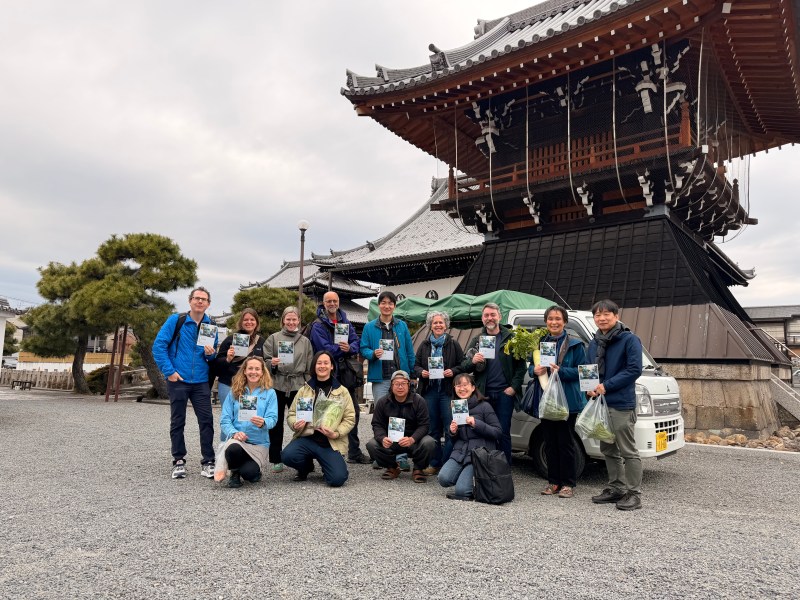
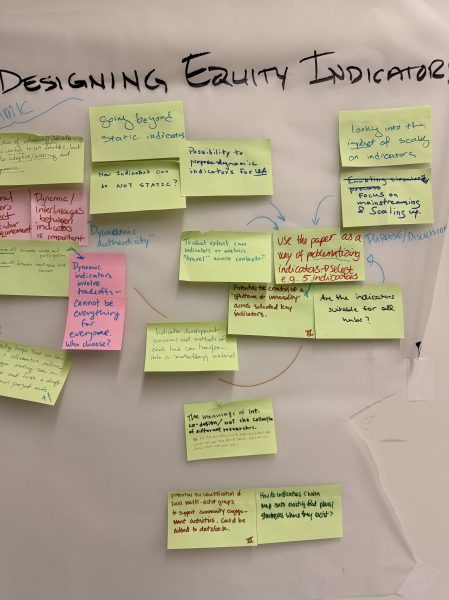
First off, a bit of a timeline update. This research consortium is funded by the Belmont Forum who has generously sponsored our work for the past 3 years. Like most academic projects, this one has a beginning and end date. Ours was technically in June of this year. However, we just didn’t want to stop since many of us were still in the think of a naturally slow participatory research process, so the majority of our hubs were able to get an extension to continue the work. Hooray! So, since our meeting in March of this year, where many of us convened in Kyoto, Japan, we have been meeting monthly over zoom as a consortium and continuing the regional stakeholder collaborations we’ve been gradually building – attending events, sharing and iteratively refining indicators for equity in UA (developed through community-engaged and co-designed activities at each site) through workshops and at stakeholder events and in some cases municipal meetings.
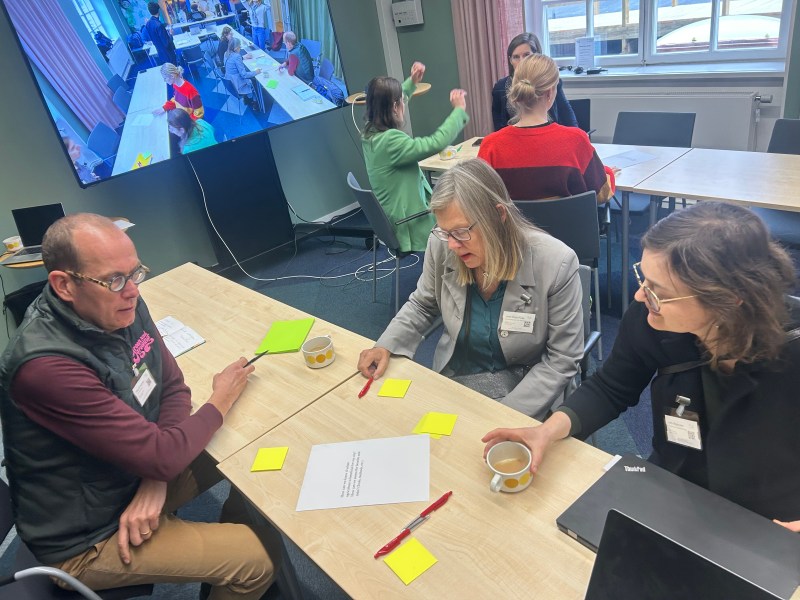
In Stockholm, Sweden, there has been a high level of interest in the indicators they’ve developed related to environmental impact of UA and justice – the city hopes to utilize these indicators to scale up sustainable components of the food system and ensure they are doing so justly. During the course of our project, a city manager for urban agriculture was hired and this person has been working closely with the research team as a liaison to the urban agriculture community. We lost one research team member to another project in the past year, but three researchers Vivek Voora, Mosen Faranghi, and Michael Martin remain. Faranghi and Martin have been working as co-lead editors on a book entitled “Justice-Centric Urban Food Transformation: Planning and Governance for Equitable Transformation, soon to be published through Springer Nature and the work across the hubs will be featured in multiple chapters in this book.”
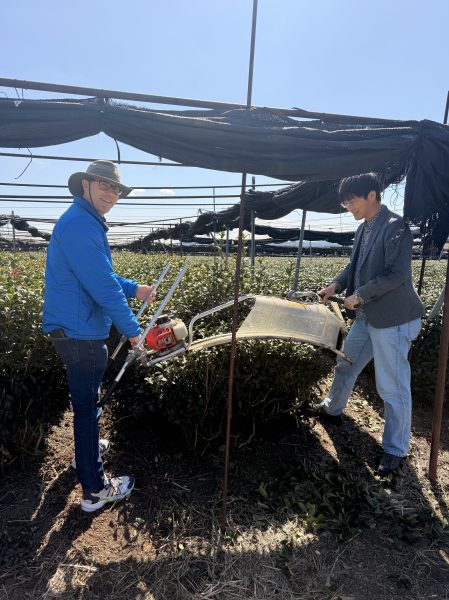
In the Keihanshin region in Japan, they are continuing to develop indicators of “cultural sustainability” in urban agriculture, across 3 main case studies in Kyoto and Osaka. In each case, they have a research member who is working closely with the community to learn about what is meaningful in terms of cultural heritage and sustainability and UA, and in several cases they’ve worked with community members to co-design tools that enhance the preservation of culturally relevant agricultural methods. We had the honor of visiting some of these sites in March and it is truly inspiring the work they are doing! He Yukun, a dedicated graduate student whose appointment in the project is soon ending and will be finishing up his doctorate in regional planning, is the lead author of a report on their co-design work (shared in a previous blog post) in one of the sites in their region and recently led a paper “On the Significance of Spatial Phase in Urban Agricultural Spaces,” that has been accepted for publication in the Journal of Architecture and Planning (Transactions of AIJ). It is scheduled to appear in Vol. 91, No. 850, in December 2026.
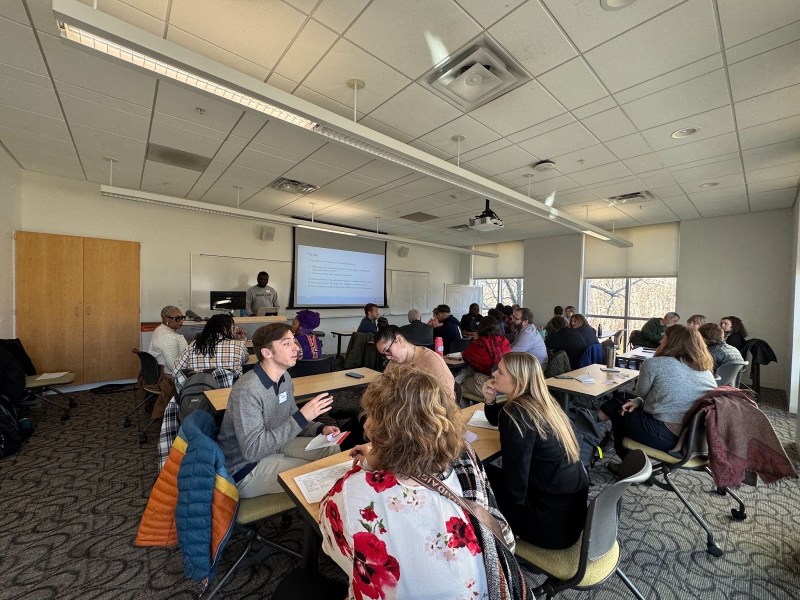
In Providence, Rhode Island, USA, we’ve been busy developing indicators for “just governance” in UA. After over 30 interviews were conducted in 2024, a social network analysis map was also created from surveys with many of the same stakeholders. This was followed by a series of workshops – one at a Food Summit in 2025 and another in January of 2026 – to discuss and refine indicators, and gather new ideas and priorities from the community. Unfortunately several key stakeholders in this hub’s network experienced a significant drop in funding due to a reprioritization of the current political administration and this was a challenge! Despite this reality, we’ve had the wonderful accompaniment of Rhode Island Food Policy Council’s executive director, Nessa Richman, to our annual meeting for the second year in a row, in which she shared with us some of her strategies for grounded team building. She has since published a book on Food Policy Councils and is touring around the country and we are celebrating that! Another thing we are celebrating in the Providence hub is Sheriff Aliu’s graduation from a doctorate student to a doctor! Dr. Aliu has led the hub in a manuscript detailing the process of developing indicators for UA and justice using participatory methods, which has been submitted for publishing and we hope to share this with you very soon.
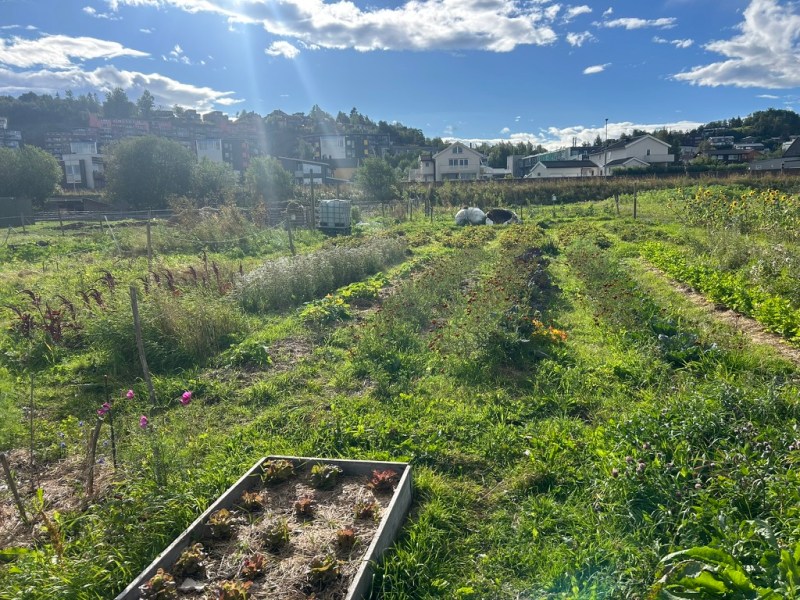
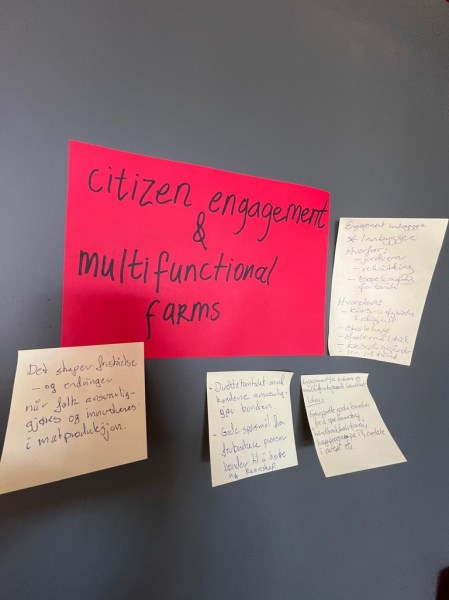
In the Trøndelag-Trondheim region of Norway, the grant funding the research hub has officially ended and with that came the end of Dr. Beste Sabir’s postdoc appointment. She left with a bang, publishing a very interesting article on pedagogical broadening through urban agriculture in Frontiers co-authored by Heidi Vinge and Adam Calo, which highlights the very unique and inspiring dynamics of a key collaborating stakeholder Voll Gård, they were fortunate to work with in this project. We know that whatever institution employs Dr. Sabir in her next position will be a very lucky one!
In Germany, ILS has been busy, continuing to collaborate closely with the Food Policy Council while working on parallel and interconnected projects across the region in food security and sustainable food systems. One key outcome of their hub is the development of policy brief templates along with the Trondheim-Trondelag and Providence hubs, which are being piloted across the hubs with stakeholders and which we plan to share as a resource through our website in the future. Lastly, Ann-Kristin Koch (formerly Steines) has led the hub in concept review paper on food security and urban agriculture that is in review for publishing with Springer Nature. She is soon headed to present the findings from this paper at the AESOP XII Conference in October.
In the consortium, we are steadily working to share our findings from this truly unique trans-disciplinary project via two more manuscripts – one sharing our work in evaluating just processes within our research through a community engagement assessment tool, and another that will be detailing the processes of developing UA-equity indicators across 5 very unique hubs! I have presented the progress from this work several times at the Agriculture and Human Values Society Conference, both in Corvallis, Oregon in 2025 and more recently in Burlington, Vermont this past June 2026. Dr. Baur, the JUST GROW Consortium lead will be presenting a synthesis of our second paper in Venice later this month at the AESOP XII Conference. We look forward to sharing the manuscripts with our beloved stakeholder community that has been central in our work, through professional channels and in future academic conferences in the upcoming year. In addition, we have several book chapters we look forward to sharing as soon as they are published that highlight justice in UA governance and a review of workshops to refine justice-oriented indicators in UA.
I have relocated to Quito, Ecuador and my appointment with the project will soon be ending. It has been one of the most joyful jobs of my lifetime and the learning has been abundant – connecting with urban agriculture sites across the world, collaborating with farmers, food policy council members and equity-minded expert scholars across disciplines, some of them actively farming while working in academia. Being a part of this project has opened my eyes to both injustices as well as active justice-oriented processes in the food system and I seek to focus on those as we’ll need more builders to reconstruct a more just food system in the future!
We look forward to sending more updates on progress, outcomes and resources to share as they become available through our JUST GROW Consortium.