
Author: Nessa Richman
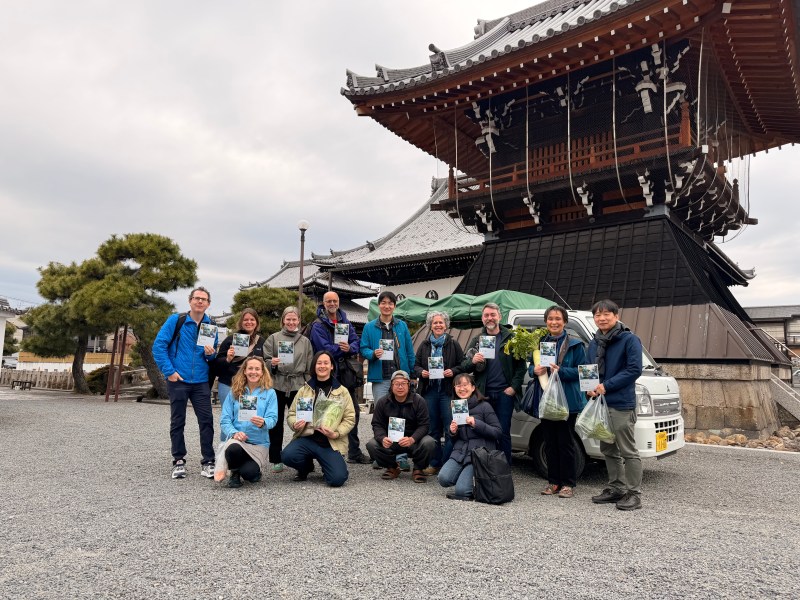
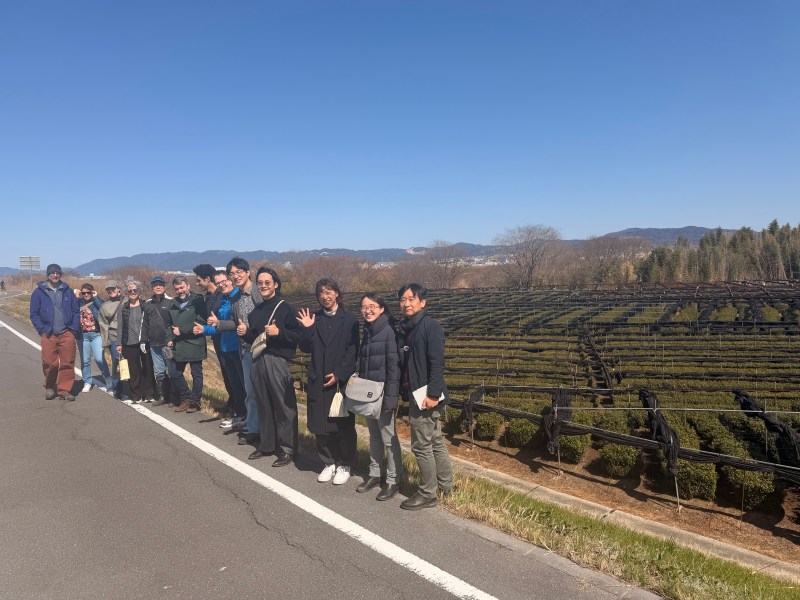
I recently returned from my first trip to Japan, and the “ripple effect” of that journey is something I know will stay with me for a very long time. While the landscapes and cityscapes were breathtaking, the true impact came from the people and the shared purpose that brought us together.
Bridging Research and Reality
I had the immense privilege of joining a team of brilliant researchers and committed community stakeholders as part of the Just Grow project, an international initiative led by Dr. Patrick Baur at the University of Rhode Island. Our mission was ambitious and vital: to determine clear indicators of equity in urban agriculture.
In the field, we moved beyond academic theory to witness food systems in action. We met:
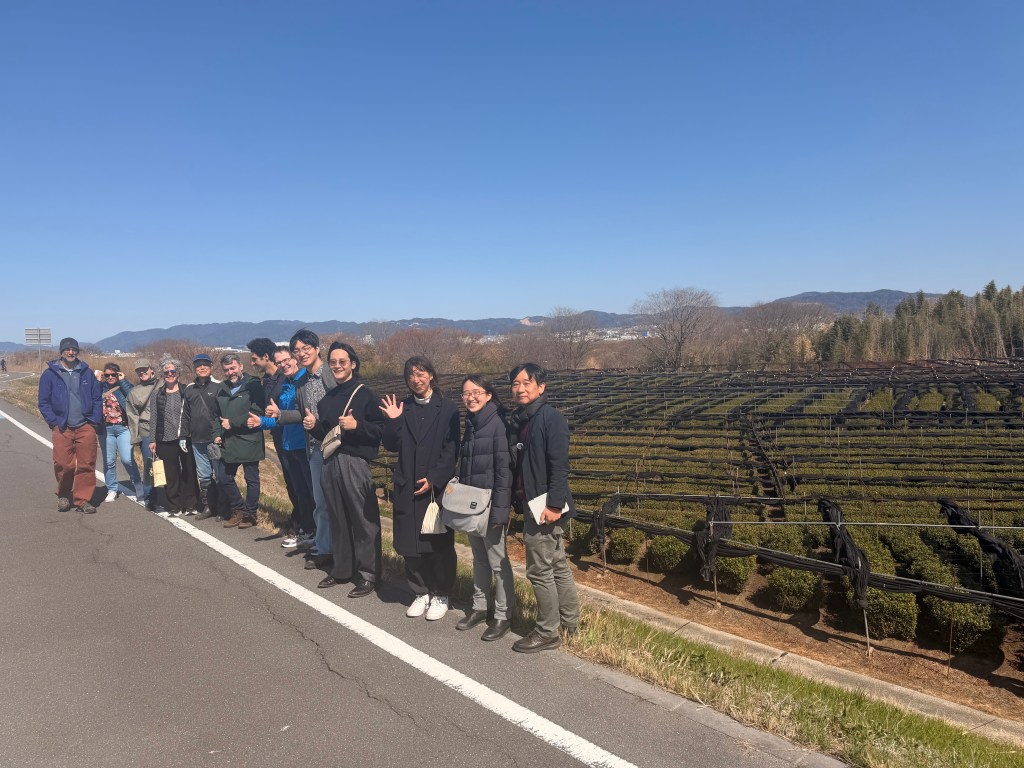
- Cooperative Green Tea Growers: Who demonstrated the power of collective labor and shared heritage.
- Mobile Greenmarket Farmers: Operating tiny, agile markets that bring fresh produce directly to those who need it most.
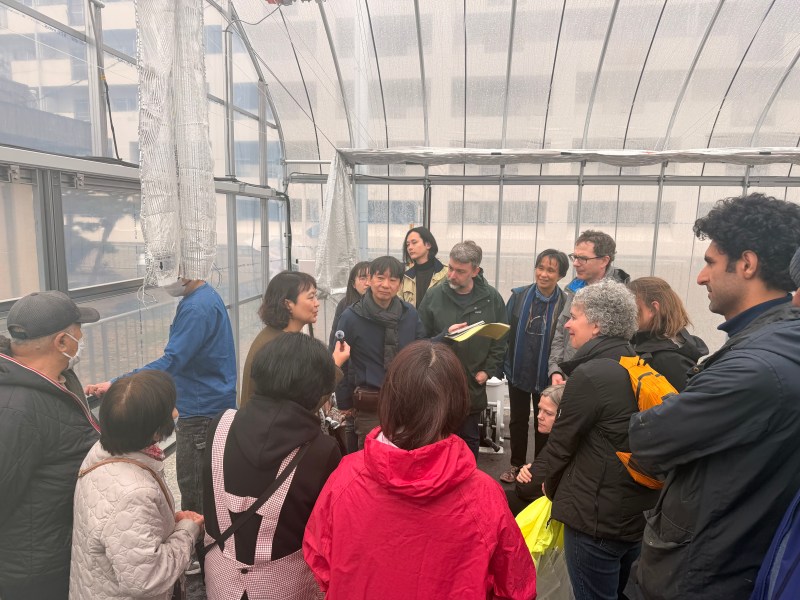
- Community Gardeners: Specifically, elderly residents who garden together in a greenhouse built right on the grounds of their apartment complex, proving that agriculture is as much about social connection as it is about food.
I returned home with a profound new understanding of a food culture vastly different from my own. But as a practitioner, I found myself reflecting on a deeper question: Why was I there with this research team?
The answer lies in the human element. As a supportive facilitator, my role was to cultivate trust and caring—not just between the researchers and the communities they hope to benefit, but within the research team itself.
Centering Equity in Researcher-Stakeholder Interactions
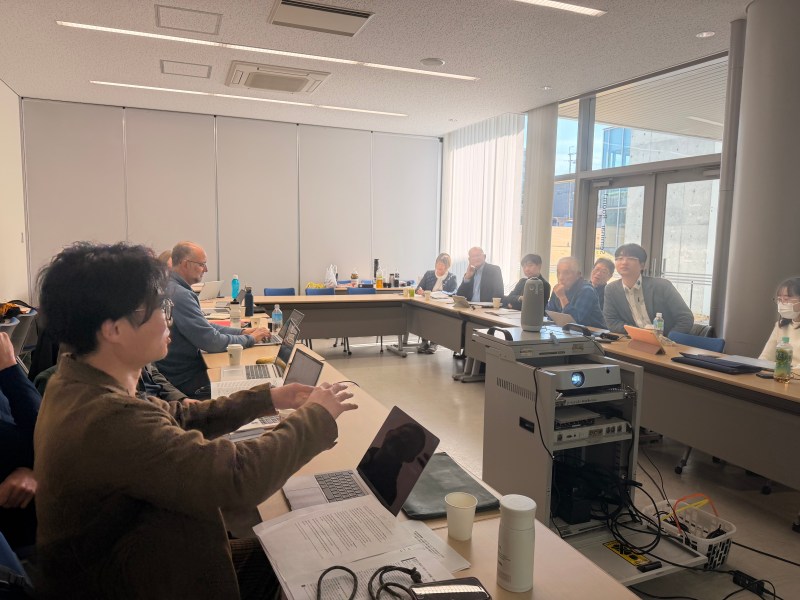
As I listened to the research teams report on their work and share ideas across disciplines and cultures, several questions arose: What exactly happens when researchers work with community stakeholders? What is the directionality of empowerment, and how is it affected by the depth, length, and other qualities affecting the humanity of both groups of actors at the base of the interaction? What responsibilities do universities have as convenors, and how should they exert their power to bring people together to catalyze change? Under what circumstances and with that intentions should international research teams create bridges for stakeholders to interact across cultures to reduce isolation and cultivate an expanded sense of community?
Role of Food Policy Councils
As leader of the Rhode Island Food Policy Council, I believe FPCs have a responsibility to connect researchers with local stakeholders to address systemic challenges. Because FPCs foster deep, trust-based relationships within their communities, they are uniquely positioned to bridge the gap between academic research and on-the-ground action, ensuring ethical, equitable engagement. A strong FPC acts as an essential, proactive partner that allows researchers to bypass traditional barriers in stakeholder engagement. Strong FPCs can serve as conduits between researchers and diverse community stakeholders. These partnerships help move beyond superficial interaction to solve complex food system issues. Throughout the interactions, FPCs ensure that research processes are equitable and respectful – ensuring this type of interaction is built into FPCs’ DNA. In sum, partnering with a FPC creates an advantage by allowing researchers to build faster, more authentic relationships.
A key challenge – and opportunity – is for researchers to understand what makes stakeholders care about data. My hypothesis: stakeholders need to feel ownership of selection of the metrics and indicators through an iterative selection process that includes them. If this sense of ownership is missing for stakeholders, they will not use the data to create change in their communities as readily or skillfully. From the researcher perspective, then, research will be used more in the real world when they are generated with stakeholders using a relationship-based approach.
From Experience to Action
The Just Grow team is composed of research teams from the U.S., Sweden, Norway, Germany, The Netherlands, and Japan. International research consortia like Just Grow are essential for tackling complex, global challenges, facilitating the pooling of resources, knowledge, and expertise. By operating as a collaborative network, they foster innovative, cross-contextual methodologies and provide access to diverse perspectives that improve research quality. This diversity of perspectives and roles brings significant advantages: the collaborative process, while often involving slow decision-making, results in a deeper, more robust analysis that brings multiple perspectives together. It also more easily sparks high-level innovation and a more comprehensive analysis of complex problems. The ultimate reward is a richer, globally-aware research outcome.
But even more than that, international partnerships like these generate knowledge that can build capacity within local communities. This collective approach engages stakeholders from different cultural contexts, enriching locally-based research by introducing rigorous, global standards. It facilitates transnational knowledge transfer, and aligns local stakeholder work with broader, internationally recognized innovations.
Key Takeaways
Whether you are working in urban planning, public health, or community organizing, these lessons from our time in Japan apply to any group striving for meaningful impact:
- Collective Intention Matters: Groups work significantly better when they set a mindful, collective intention from the start. Defining your purpose clearly and establishing community agreements creates a foundation for success.
- Many Challenges are Universal: While our cultures may differ, the hurdles stakeholders face in transforming food systems are often remarkably similar, regardless of geography.
- Humanity First: To do our best work, we must see each other as humans first. Our roles and titles are secondary to the empathy and respect we bring to the table.
*Nessa is a vital community partner in the JUST GROW WP6/Providence Research Hub, representing the Rhode Island Food Policy Council as their Executive Director. She is also an author of the book – Food Policy Councils: Building Civic Engagement and Community Wellbeing, which can be found here: https://www.routledge.com/Food-Policy-Councils-Building-Civic-Engagement-and-Community-Well-Being/JRichman/p/book/9781041125792
 justgrowproject.org