
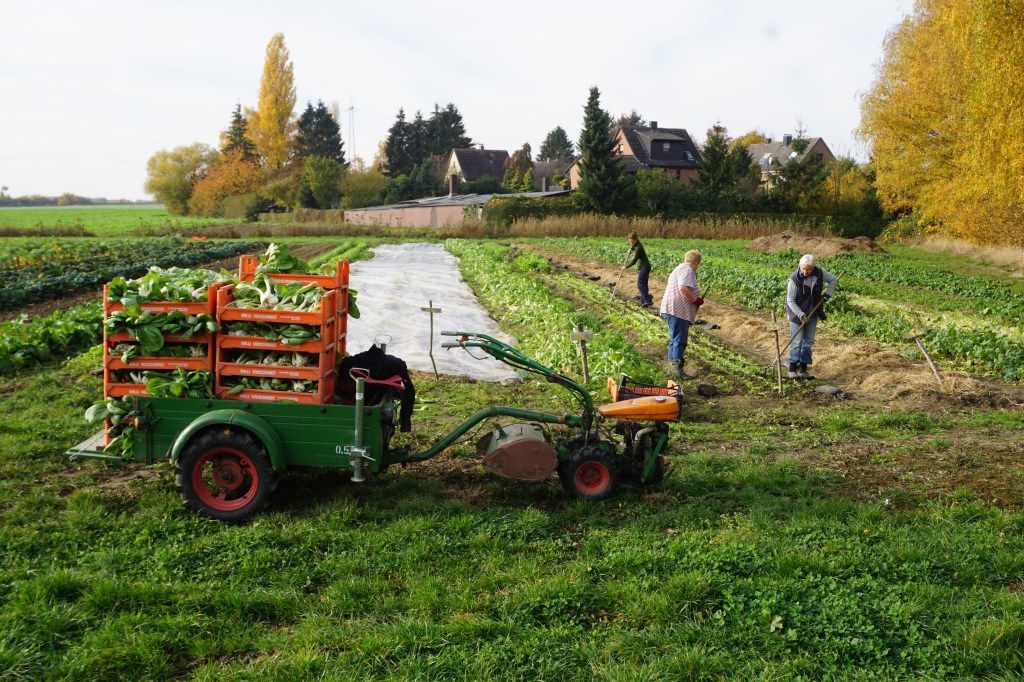
Problem Statement:
Equitable intensification of urban agriculture entails improving access to and local control over healthy and culturally appropriate foods for all residents of city region food systems. To align with existing policy goals at local, national, and international levels, we refer to this broad goal using the term food security. To be clear, though, by food security we mean more than the absence of hunger or malnutrition—rather, we refer to a holistic set of indicators that encompass multiple dimensions embedded in the human right to food (Clapp et al. 2022), such as the “five A’s” (Chappell, 2018): availability, (nutritional) adequacy, accessibility, (cultural) acceptability, and (individual and community) agency.
Objectives:
To co-define appropriate food security indicators for UAI
To evaluate data collection infrastructure needed to inform those indicators in an accurate and timely way that meets local needs
To develop concrete, tailored recommendations to address limitations or gaps in this infrastructure.
Research Team

Kathrin Specth, PhD Kathrin is the deputy head of the department of Spatial Planning and Urban Design at ILS Research Institute for Regional and Urban Development. She gained her PhD at the Humboldt University Berlin (Agricultural Economics) Her focus is on zero-acreage farming, urban agriculture, new consumer-producer relations in local food systems, “Alternative Food Networks (AFN)”, urban food policies and governance. She has published over 30 peer-reviewed articles on these topics.

Barbara Schröter, PhD Barbara is serving as interim-deputy head of the Department of
Spatial Planning and Urban Design at the ILS Research Institute for Regional and Urban Development (ILS) in Dortmund. She is also affiliated as a researcher at at Leibniz Centre for Agricultural Landscape Research (ZALF) in Müncheberg. Barbara is a political scientist whose research interests include social-ecological
research, governance and institutional analysis, social network analysis and environmental justice.
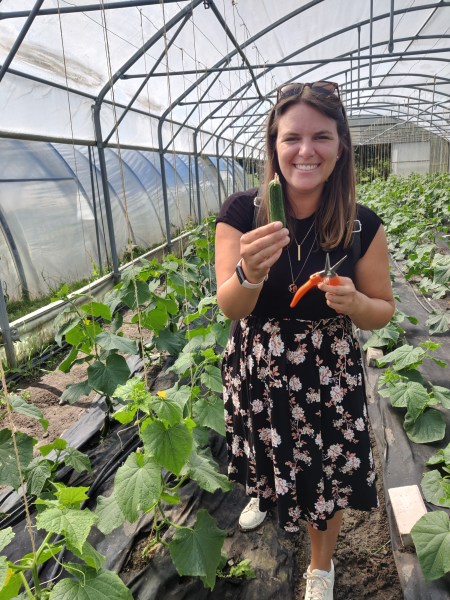
Ann-Kristin Steines, MSc, BSc Ann-Kristin is a researcher/PhD student at the ILS Research, Affiliated Institute of ILS – Research
Institute for Regional and Urban Development. Ann-Kristin has a Master’s degree in Urban Planning and a Bachelor’s degree in Geography. Since 2021 she works on the transformation of the food system in national and international projects. Her research focuses on urban agriculture, city region food systems, food policies, and the food system transformation.
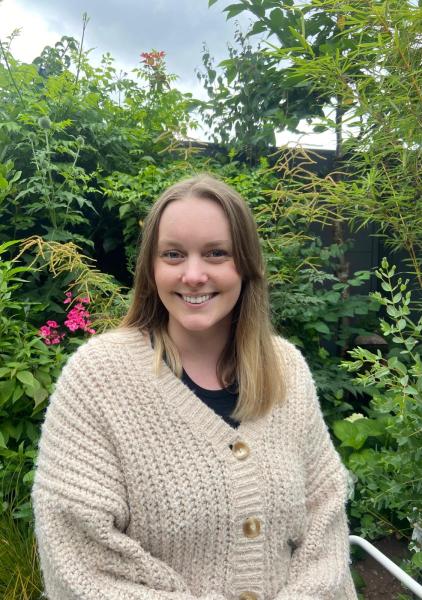
Annika Eisenberg Annika is a student assistant at the ILS Research, at the ILS Research, Affiliated Institute of ILS –Research Institute for Regional and Urban Development. Annika is pursuing a bachelor’s degree in spatial planning at the Technical University of Dortmund. In her bachelor thesis, she dealt with the agricultural systems of the future. Her research focuses on urban agriculture, food systems in urban regions, food policy and the transformation of the food system.
 justgrowproject.org