
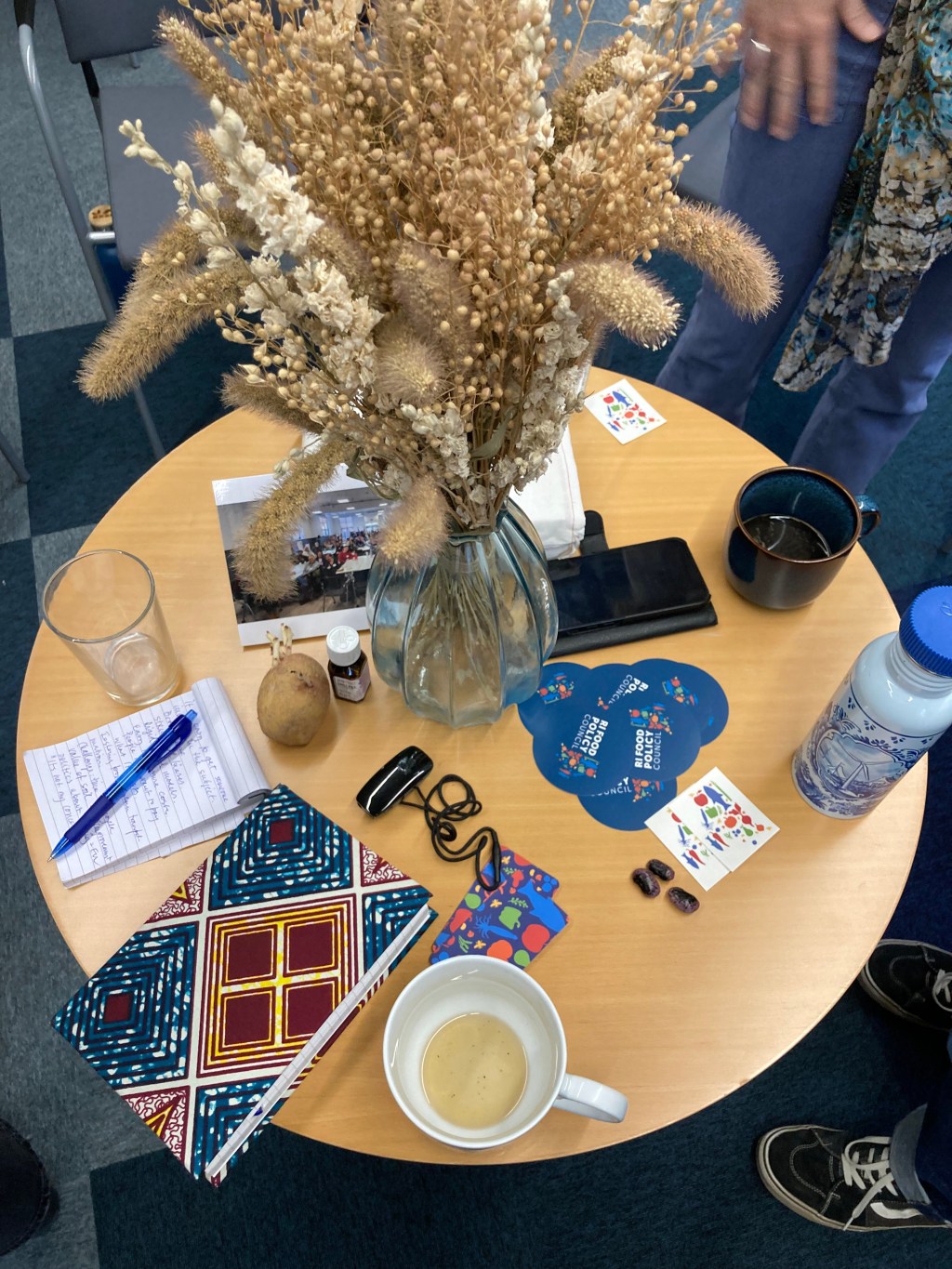
By Nessa Richman
March 2025
Seven years ago, when I became the Executive Director of the Rhode Island Food Policy Council, my first priority was to develop relationships with the 25 Council members. Each one brought a personal perspective from their experience with the food system. Every day, I worked with these skilled and diverse farmers, food entrepreneurs, food rescue workers, food justice advocates and other passionate people to bend our local food system toward justice and resilience. Over time, and with support from amazing mentors, my team and I learned how to bring them together in ways that facilitated meaningful conversation, collective intelligence, and effective action to improve the local food system in Rhode Island.
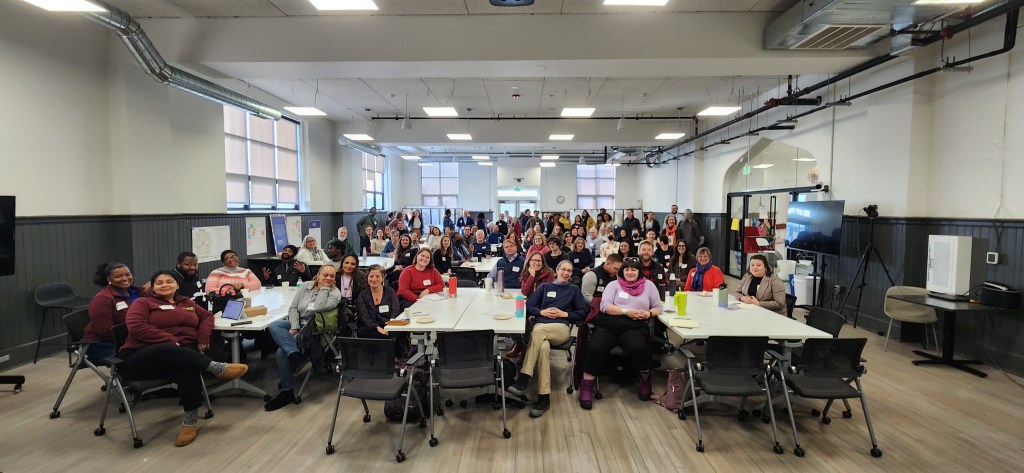
Fast forward to March 2025. I was offered the chance to travel to Sweden with a research team from the University of Rhode Island (URI) as part of an international research project called JUST GROW. The project name has two meanings. First, let’s just grow food. Second, let’s grow food in a manner that centers justice. With the abrupt cancellation of federal funding for work like ours by the current administration, it seemed an inopportune time to step away from my desk and local community. However, it also felt like an ideal moment to step out of the 24-hour news cycle for inspiration and community-building across cultures. I decided to go.
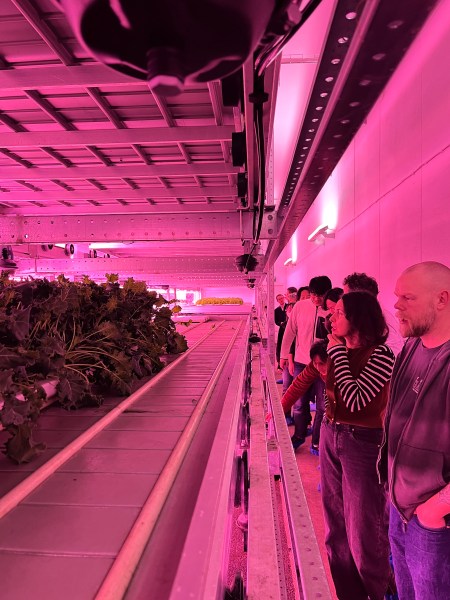
That’s how I got to know the international team behind the JUST GROW project. It includes a consortium of research hubs from six different city regions: Providence (USA), Kyoto (Japan), Stockholm (Sweden), Dortmund (Germany), Trondheim (Norway), and Amsterdam (the Netherlands). Over three days of meetings in Stockholm, I learned that they are passionate about intensifying urban agricultural production to meet global food needs in the 21st century by localizing city-regional food systems. They envision a solution set that relies on technology, such as intensive, indoor “vertical farms”, but also traditional in-the-ground plots of land tended by generations of community members to fulfill their own families’ and communities’ food needs.
And that’s not all. Each international researcher brought with them a local “practitioner” like me – a person who leads a network aimed at re-localizing the food system. Engaging practitioners is an integral part of the research methods in the project, and in this meeting it allowed a closer look into what makes each network effective – its goals, objectives, activities, structures, outputs, outcomes, and impacts. Due to my experience with the Rhode Island Food Policy Council, I was asked to help plan and facilitate a JUST GROW Practitioners Symposium during our time together.

Upon getting the assignment, I wondered how best to facilitate the gathering to explore emerging issues and surface key themes while also establishing participants’ commonality as an international community. I settled on a method called Circle Way. Created by Ann Linnea and Christina Baldwin in the early 1990s, Circle Way draws on ancient forms and ways of building culture. In Circle Way, formal “Meeting Agreements” provide a foundation for respectful conversation. Circle Way is a manner of bringing people together that honors each individual as both a leader and a human being. Though none of the convened practitioners had heard of the Circle Way method, they were open to the experience. We gathered in a circle – “participants at the rim and the purpose in the center”– with each network leader having the opportunity to speak and practice deep listening.
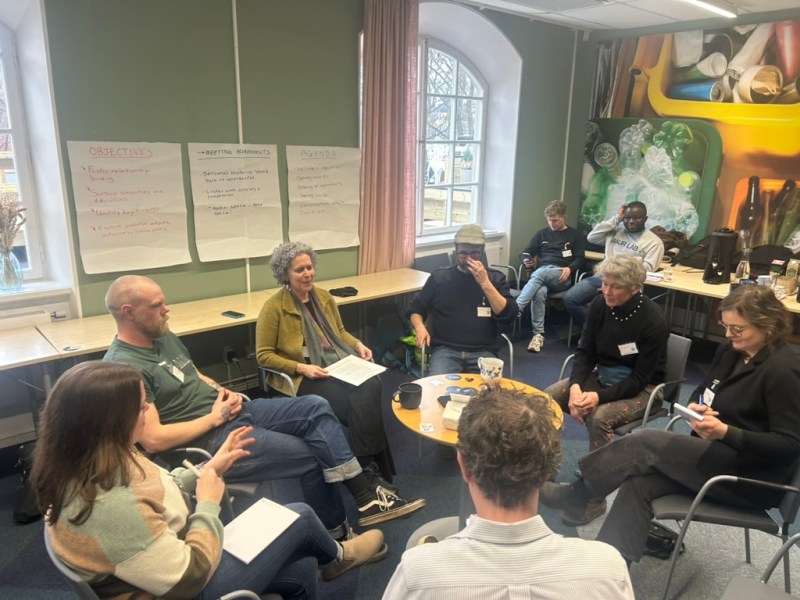
By the end of the four-hour Symposium, we had created relationships across cultural differences that inspired and energized all of us toward common goals. One participant noted that everyone in the circle listened with curiosity and compassion (and without interruption). Another said that because the “Meeting Agreements” established confidentiality, the Circle was a safe space to ask questions and share personal experiences. This may be only the first such gathering; the JUST GROW team plans to support ongoing practitioner communication.

Back at home, the uncertainty of federal grant funding and an adverse national policy environment has brought the Rhode Island Food Policy Council unprecedented challenges. In Stockholm, I found resolve in the midst of a chaotic time. The JUST GROW Practitioners Forum solidified my commitment to local food systems, my certainty about the Circle Way method, and my belief in advocacy for better food systems as the heart of a global “good food” movement.
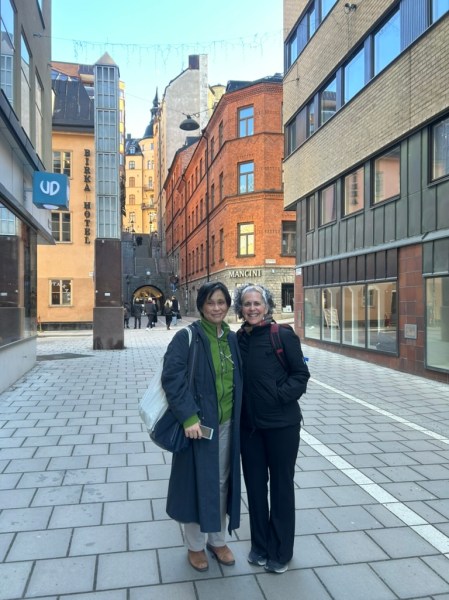
Nessa enjoying a walk in Stockholm with cultural heritage researcher and landscape architect, Dr. Kiyoko Kanki of the University of Kyoto, Japan.
 justgrowproject.org