

Authors: He Yukun, Kiyoyama Yohei
The JUST GROW hub at Kyoto University, Japan is currently researching the cultural sustainability dimensions of urban agriculture and we’ve been busy! This June, we focused on the Keihanshin region where we conducted a field visit to the urban tea gardens in Uji City, Kyoto prefecture. Following this, we traveled to Helsinki, Finland to share our progress on the JUST GROW project at SRI2024. Shortly after, we conducted another field visit to the urban farm gardens in Kumiyama Town and interviewed local farmers. Our team currently includes Dr. He Yukun, Assistant Professor Kiyoyama Yohei, and Researcher Okuyama Yukiho.
Part 1: Visit to the Uji Tea Gardens
In early June, He Yukun and Okuyama Yukiho conducted an on-site survey of the urban tea gardens in Uji City, Kyoto Prefecture.
History and Current Status of Uji City’s Tea Gardens
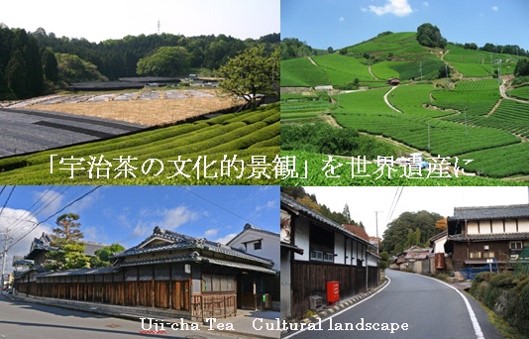
Kyoto Prefecture’s Uji City is the cradle of Japanese tea culture, with tea cultivation beginning here in the 12th century. Uji City not only provided tea for the upper echelons of society, but its extensive tea gardens spread throughout the city also symbolize nine centuries of cultural heritage. These gardens are integral to Uji City’s application for World Cultural Heritage status. As urbanization progressed, these tea gardens faced challenges but also gradually adapted to the new environment, maintaining their significant role in the modern urban landscape.
Zonal Tea Garden Variation
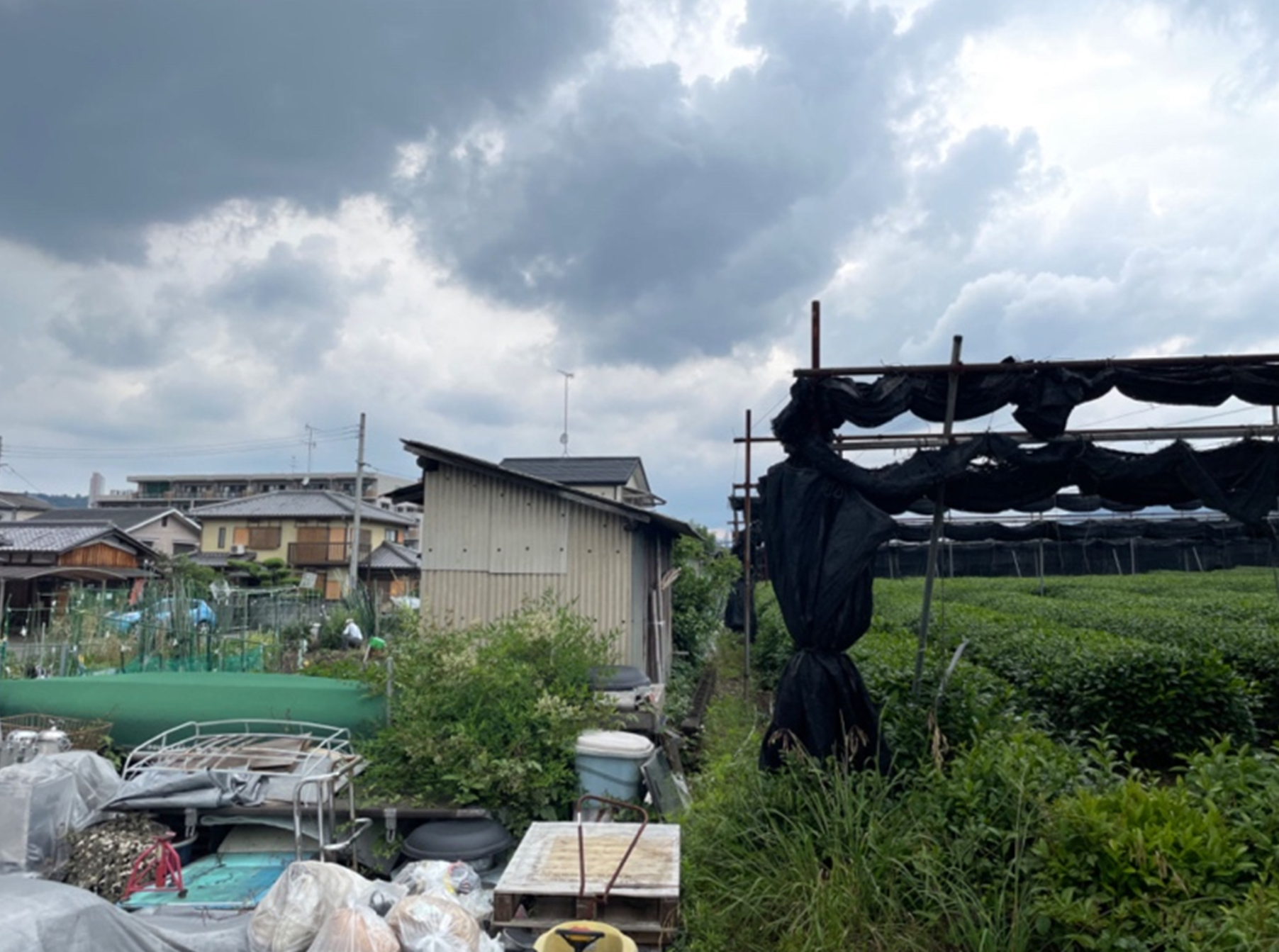
Our survey revealed significant differences in the forms and operating methods of tea gardens in different areas of Uji City. In industrial zones, tea gardens were more orderly and structured, reflecting the characteristics of industrial management. In residential areas, tea gardens were often adjacent to community gardens, providing local residents with opportunities to connect with nature and tradition. Additionally, some tea gardens utilized land around schools and cemeteries, serving as practical bases for students to learn about tea culture, thereby promoting the integration of cultural education and the tea industry.


Challenges of Sustaining Tea Gardens
We found that tea gardens also face several challenges amidst urbanization, including drives to develop land that can undermine land access for tea cultivation. For instance, some tea gardens have been converted into parking lots and senior centers. These changes reflect shifts in urban residents’ needs, placing pressure on traditional tea garden land use. Despite these challenges, Uji City’s tea industry continues to adapt, striving to maintain its cultural and economic significance.
Through this survey, we have gained insights into the diversity and adaptability of Uji City’s tea gardens. We have also observed the crucial role that the tea industry plays in the modern urban context and the challenges it faces. These observations provide important background information for JUST GROW Consortium’s Work Package 2, focusing on land access and labor equity. This part of the project, led by the Swedish Environmental Research Institute (IVL), aims to assess and improve the conditions of land access and labor equity in urban agriculture, as well as to develop sustainable development indicators for land use and labor rights.
Part2: SRI 2024
From June 8 to 15, Kiyoyama Yohei and He Yukun traveled to Helsinki to attend the five-day 2024 Sustainability Research and Innovation (SRI) Congress held at Aalto University and the University of Helsinki.
Sharing JUST GROW Project Progress with Global Teams
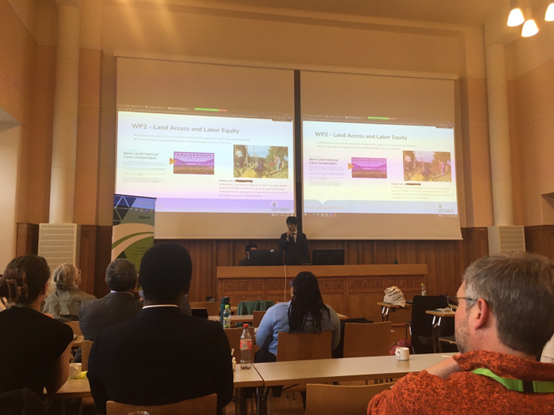
At the conference, we presented a progress report on the international collaborative research on urban agriculture led by Professor Patrick Baur from the University of Rhode Island. We shared the research achievements of the entire JUST GROW team, as well as the Kyoto University Center’s research on the Uji tea industry, and discussed the issues encountered. Additionally, we shared Uji tea bags produced locally in Uji City, recommended by Professor Kanki. These tea bags were specifically adapted to suit European water quality while maintaining their original flavor. We distributed them to participants on-site, allowing them to taste the flavor of Japanese tea, which was met with great enthusiasm. The sustainable cultural urban agricultural products garnered significant attention, further highlighting the value and significance of our research.
Engaging in the Urban Agriculture Workshop and Exchanging Project Experiences
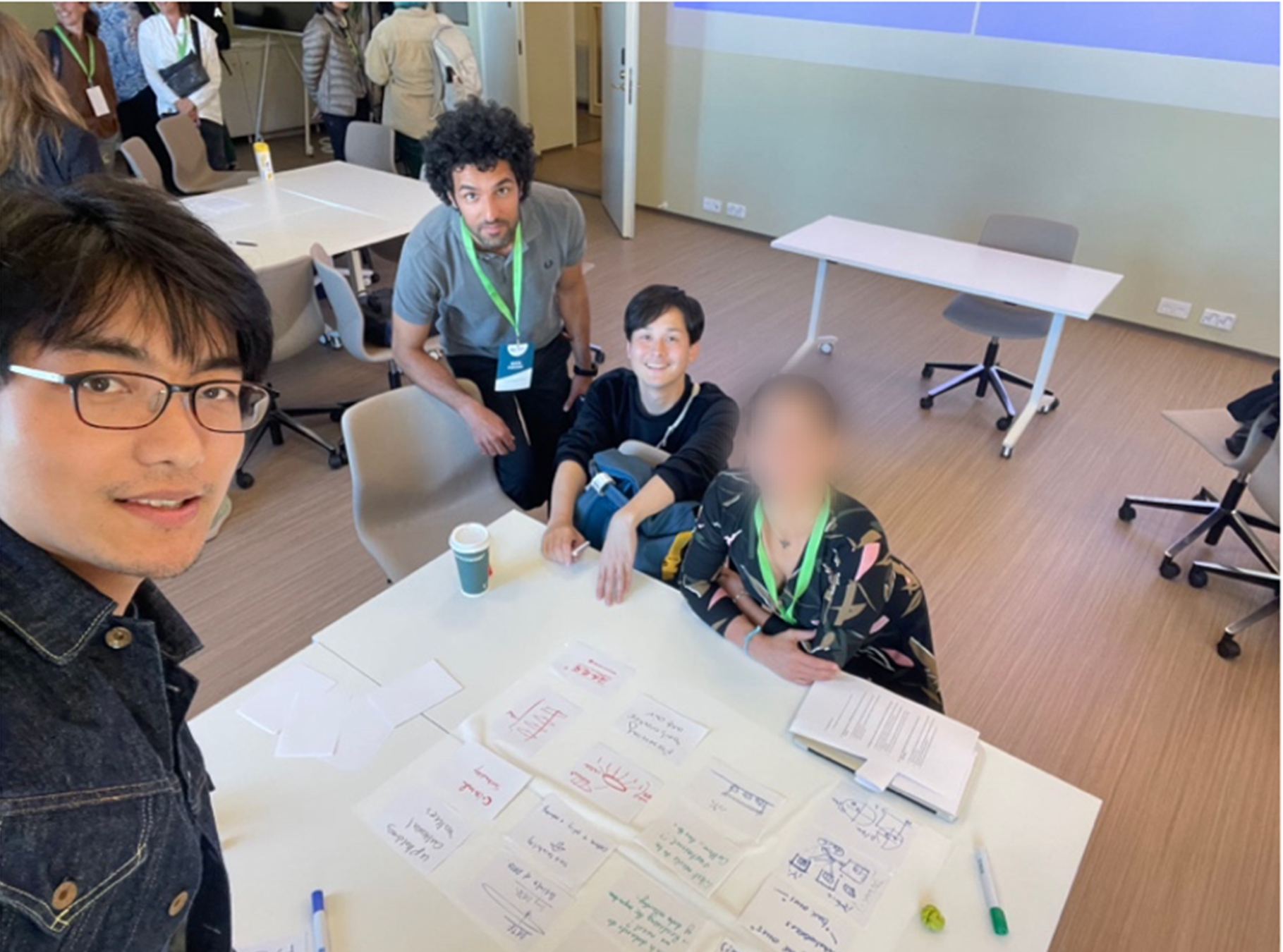
We also participated in the workshop on project advancement and urban agriculture. In this workshop, several Just Grow hubs were represented and we had the opportunity to discuss the challenges of information collection, the framework structure of project advancement, the definition of research goals, and the various challenges of cross-group collaboration. These discussions not only helped us clarify the direction of future research but also provided valuable experiences and suggestions for the other participants.
Part 3: Stakeholder interviews in Kumiyama
On June 19th, Kiyoyama Yohei and He Yukun traveled to Kumiyama Town in Kyoto Prefecture to interview local farmers and former town hall staff.
Impact of Waterway Facilities on Urban Agriculture
During this visit, we asked questions about the impact of the town’s waterway facilities on agriculture, including the development process of the Ogura Pond reclamation project, the size planning of each plot, and the planning of agricultural water routes. We learned from the farmers and former town hall staff that the historical water channels are crucial support conditions for the sustainable development of agricultural land during urbanization. Many urban agricultural lands still have underground channels nearby, which are previous water channels now covered by urban land.

A Small Highlight of Urban Agriculture
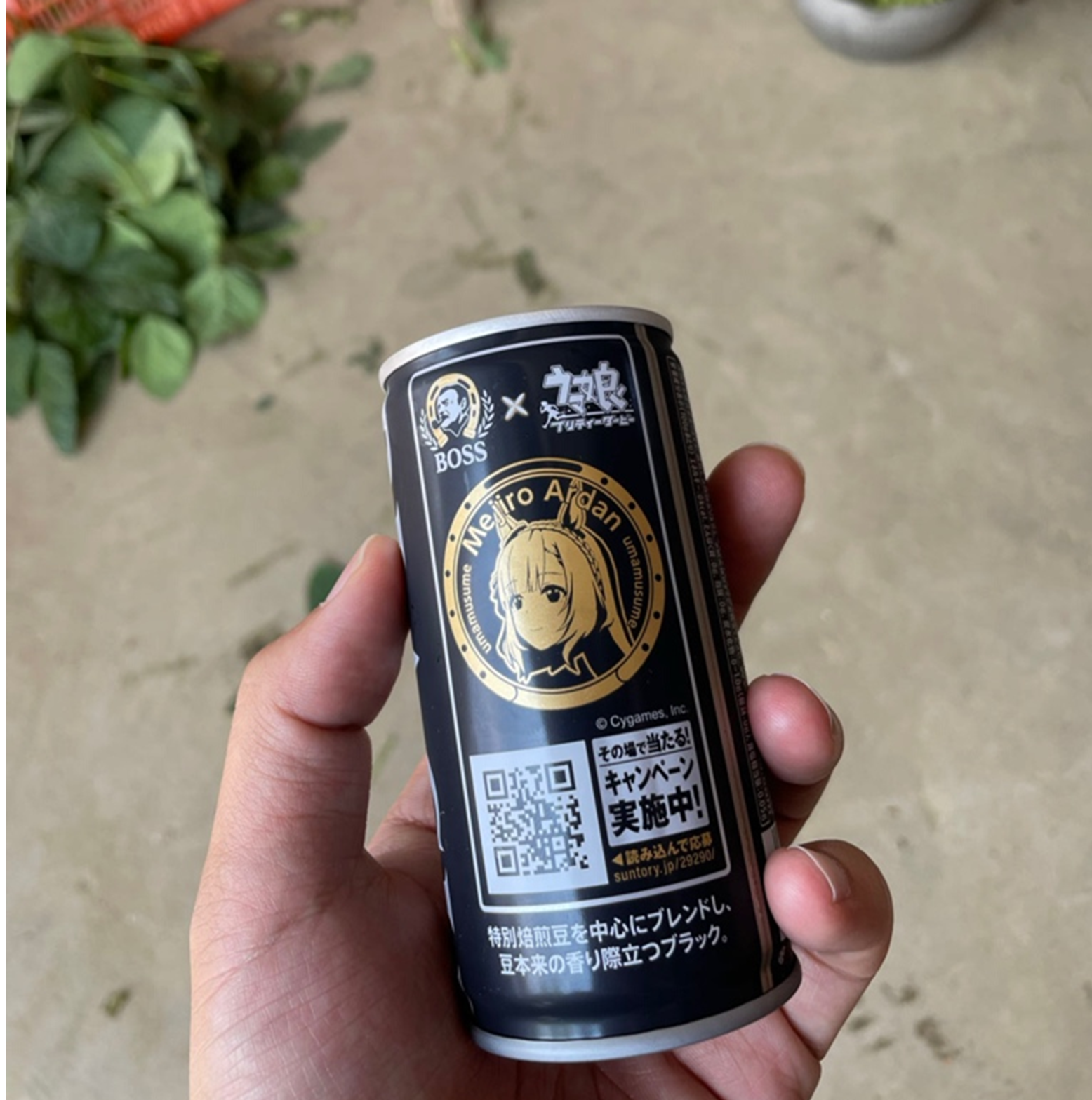
The farmers interviewed were very pleased to share their stories of diligently managing agriculture and took us on a tour of their farmland in Kumiyama Town. The weather was very hot, and the farmers kindly offered us delicious iced coffee from their fridge (a special feature of urban agriculture, enjoying delicious coffee in the fields). We will definitely return here!
***
These are the activities of the Kyoto University Center in June! This month, we are preparing for the field school scheduled for September 21-23 in Izumisano City, where postdoctoral fellow, Rose Jennings, will join us. We are very excited!
We would like to thank the farmers from Kumiyama Town and Uji City for sharing their experiences. They have overcome numerous challenges during urbanization to continuously manage and improve their agricultural practices. The engagement of these urban agricultural communities and governance stakeholders allows us to see the stories behind urban agriculture and understand how cultural and technological changes have historically supported the sustainability of urban agricultural spaces. These experiences have also provided support for the next phase of our project, enabling us to co-define key equity and justice indicators for UAI with local community and governance stakeholders, and to co-determine potential metrics and data collection infrastructure to provide fair and accurate indicators that meet local needs.
 justgrowproject.org